If step five still points at a button that moved last sprint, the runbook failed before the engineer did. Engineering and platform teams ship weekly UI changes while internal wikis still show last quarter's console. Tribal knowledge in chat does not survive time zones or attrition. The sections below define runbooks, separate deployment runbooks from incident response runbooks, outline process documentation steps, map workflow documentation to common software documentation tools, state where Chrome tab capture fits, and cite Get Haiku limits from public URLs only.
Intro:
A runbook has already failed if step five points to a button that moved last sprint.
Engineering, platform, and SRE teams ship changes every week. Internal wikis often do not keep up. Screenshots age, console labels move, and new engineers end up asking in Slack instead of trusting the guide.
That works once. It does not survive time zones, incidents, or attrition.
This guide explains what runbooks are, how deployment runbooks differ from incident response runbooks, how to document technical processes engineers will reuse, and where browser-based workflow capture fits.
Key takeaways
- A runbook is an ordered procedure for a known alert, deployment, recovery path, or operational task.
- Deployment runbooks cover prechecks, rollout, smoke tests, rollback criteria, and ownership.
- Incident response runbooks cover diagnosis, blast-radius reduction, escalation, communication, and recovery.
- Good process documentation starts with a trigger, documents the happy path, adds verification, names an owner, and sets a review cadence.
- Wikis are still useful for stable policies, architecture notes, and onboarding material.
- Browser capture helps when runbook steps happen inside web consoles or SaaS admin tools.
- Haiku fits browser-based workflow capture. It does not replace your knowledge base, API docs, or terminal-first documentation.
Why wiki-first technical documentation falls behind
Wiki pages and knowledge bases work well when content is stable: policy, architecture narratives, onboarding stories. They work poorly when the subject is a web console or SaaS admin flow that changes every sprint. Manual screenshots go stale because updating them is slow. Runbooks exist to keep operational steps accurate enough to trust during incidents and releases.
What is a runbook?
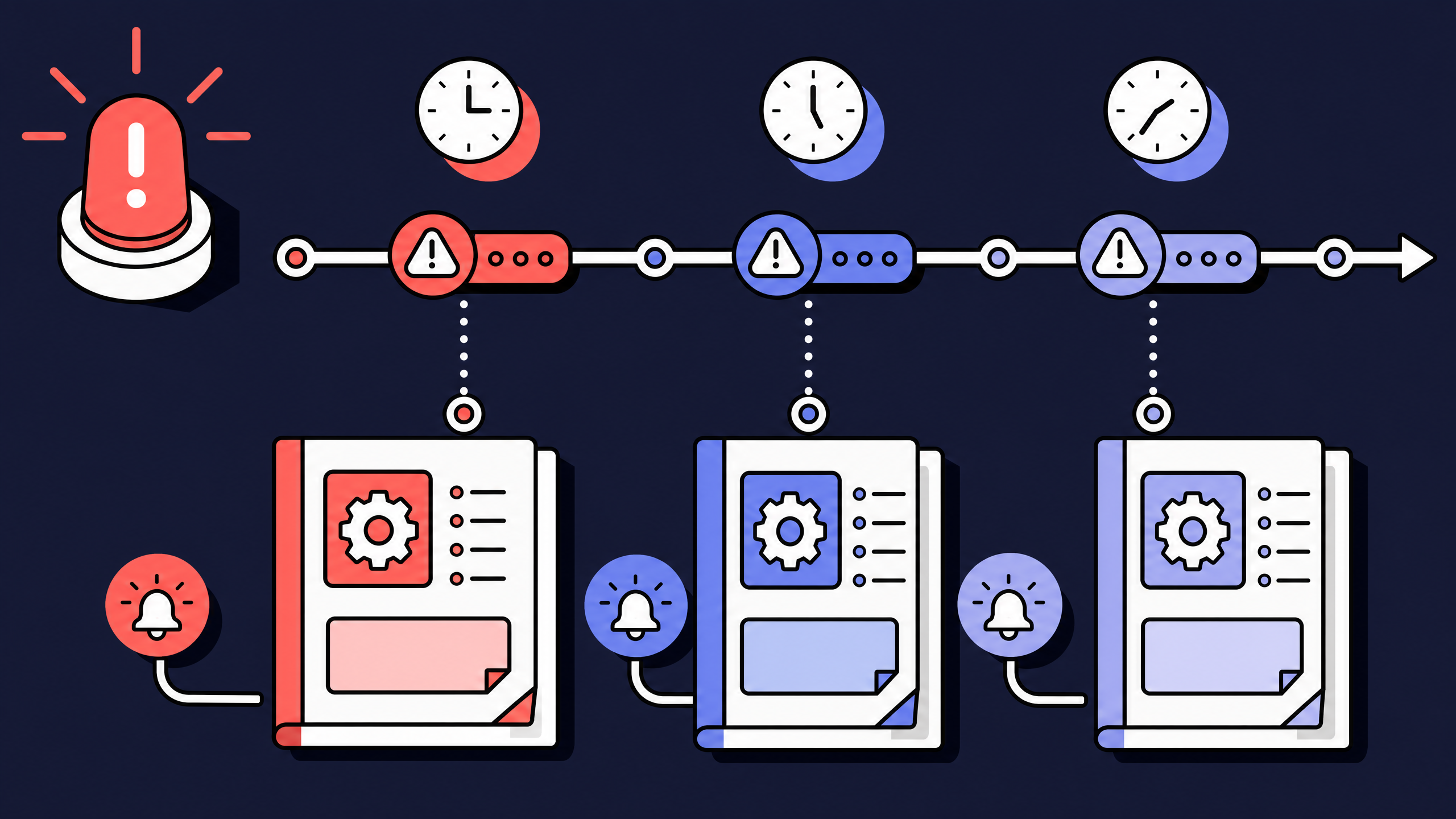
A runbook is a structured procedure for a known situation. In DevOps and SRE practice it is usually the checklist an on-call engineer runs for an alert, a deployment sequence, or a mitigation path. Security teams may use the same word for similar checklists. Common elements are ordered steps, decision points, and verification so someone else can reproduce the work without inventing steps on the fly.
What is a deployment runbook?
A deployment runbook is the release path: prechecks, progressive rollout, smoke tests, and rollback criteria. Keep it short so the owning team edits it whenever the pipeline or deploy UI changes. Long runbooks behave like wikis nobody maintains.
What is an incident response runbook?
An incident response runbook is diagnosis and mitigation when telemetry fires: who pulls logs, how to narrow blast radius, communication steps, and when to escalate. Tie it to paging policy and severity so on-call knows which file to open first.
Version both kinds of runbooks like code: templates, titles, and review with platform or SRE leads when services change.
How to document a process engineers will reuse
Process documentation only works when it is short, testable, and owned. Use this sequence when people ask how to document a process or what good process documentation looks like for engineering.
Start from the trigger, not the tool. One line on when to open this runbook, for example "during canary deploy for service X" or "when queue depth exceeds threshold Y."
Ship the happy path first, then branches. Readers should succeed on the common case without reading every edge case.
For web steps, prefer screenshots and UI anchors. Put command snippets in code blocks with context on secrets, blast radius, and rollback.
After fragile steps, add verification. State what "good" looks like at 3 a.m.
Assign an owner and a review rhythm tied to releases. Weekly ship cadence means a weekly runbook touch, even if light.
Link to deeper technical documentation for the "why." The runbook is the path; the design doc is the theory.
Runbooks are one form of process documentation aimed at repeatable technical execution.
Workflow documentation and software documentation tools
Workflow documentation describes what a person does, what the system returns, and how to verify each step. It is operational truth, not a blog post.
Software documentation tools split into a few buckets. Wikis and knowledge base products fit search-heavy stable prose. Repos and static sites fit API contracts and infra-as-code next to code. Diagramming fits architecture, not click-by-click flows. Capture tools record a session and emit numbered steps with screenshots; they fit when UIs change faster than manual wiki edits.
Internal documentation software is often bought for compliance or findability, then under-maintained. Match tool type to change rate: slow content in the wiki, fast UI paths in runbooks or capture-backed guides.
When is browser capture right for runbooks?
Where it fits
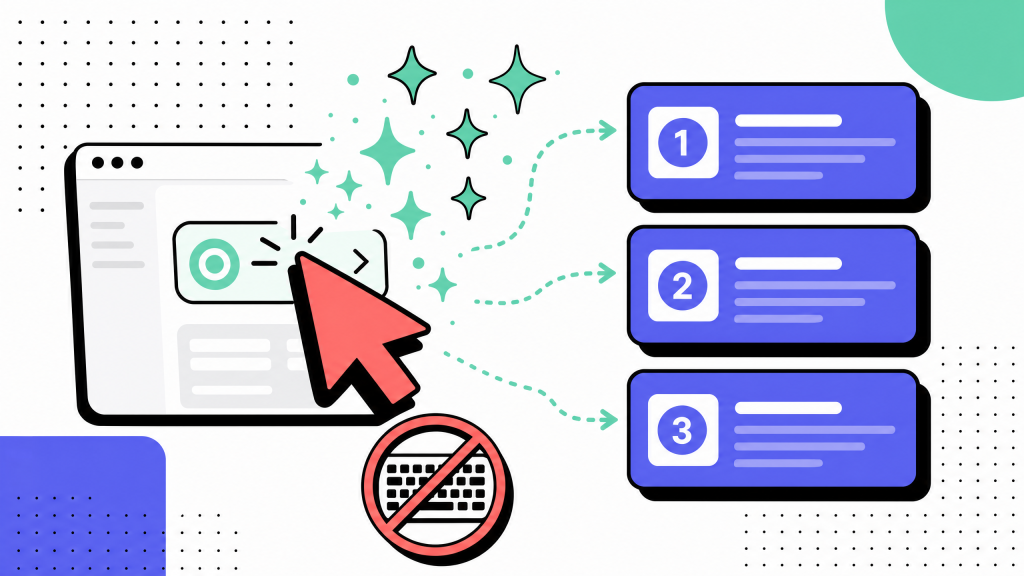
Many internal tools and cloud consoles are web apps. When deploy or incident work is "open the console, follow these panels," capture-first workflow documentation can produce numbered steps and screenshots faster than copying screenshots into a wiki. That is the main fit next to traditional IT documentation software.
Where it is the wrong tool
Browser capture does not replace API reference, kernel-level runbooks, or terminal-only procedures. It does not auto-update when a vendor redesigns a UI; authors re-record or edit. IDE-heavy teams still need repo-native artifacts for those flows.
What is Haiku (Get Haiku) for runbooks?
Haiku is a browser-led workflow capture product built by WalkMe, offered through the Get Haiku site at gethaiku.ai. You record in Chrome; it produces step-by-step guides with screenshots and editable AI draft text per step, with pause and resume during recording. Sharing and exports follow the public pricing matrix.
Haiku fits web-based internal tools and SaaS UIs used during deploys and incidents. It does not replace a knowledge base. Desktop capture is listed as coming soon on the same pricing page. Official compare copy may reference in-app walkthroughs via WalkMe as ecosystem positioning; that is not the same as the Chrome extension alone delivering full digital adoption overlays.
FAQs
What is a runbook in DevOps?
A DevOps runbook is a structured checklist for alerts, deployments, recovery paths, or mitigation steps. It should include ordered actions and verification checks, not just background explanation.
What is the difference between a deployment runbook and an incident response runbook?
A deployment runbook helps you ship or roll back a change. An incident response runbook helps you diagnose and reduce harm when something is already broken.
How do I create a runbook for deployment or incidents?
Start with the trigger, document the happy path, add checks after risky steps, include branches for known failures, link to deeper design docs, assign an owner, and set a review cadence. Use capture for web-console steps and version-controlled text for CLI-heavy steps.
What is process documentation?
Process documentation explains how work flows across people and systems. Runbooks are the technical execution slice: repeatable steps for known operational situations.
Why do technical guides beat static wiki pages for fast-moving UIs?
Static wiki pages often go stale when the UI changes. Short, owned runbooks or capture-backed guides are easier to refresh and more useful during releases and incidents.
Does workflow capture replace our knowledge base?
No. Knowledge bases are still best for stable articles, policies, and architecture notes. Capture-backed documentation is best for short, UI-heavy procedures that change often.